how mileage affects your insurance rates
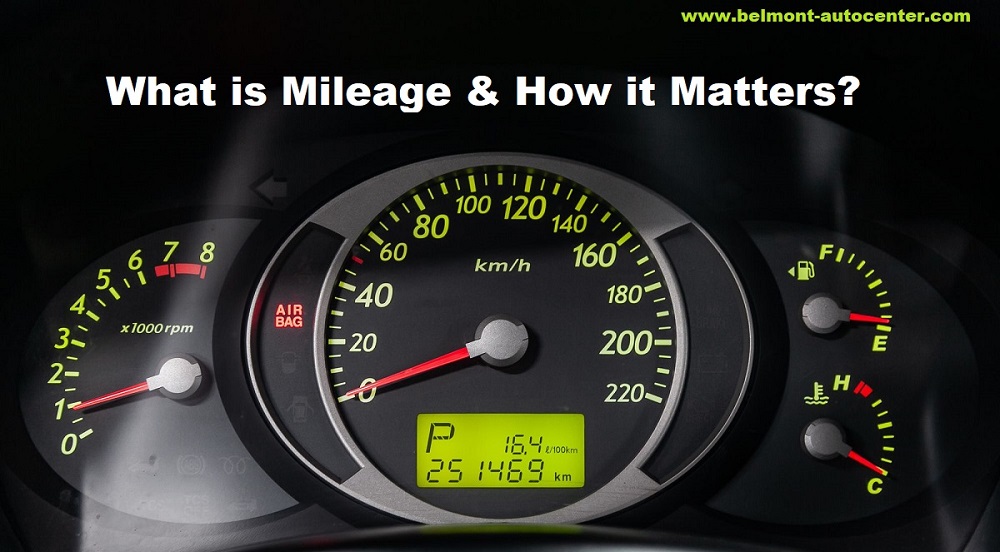
Worried about the rising cost of car insurance? You're not alone! Many drivers feel like they're throwing money away each month, especially when they barely drive. But what if you could lower your rates simply by understanding how much you drive?
Knowing how mileage impacts your insurance premium is a crucial step towards making smart financial decisions. It’s about paying for the coverage you actually need, not some inflated estimate based on outdated assumptions. Understanding this can save you hundreds of dollars a year, and who wouldn’t want that?
Start tracking your mileage! Use a simple notebook, a spreadsheet, or even a smartphone app to document your odometer readings at the beginning and end of each week. This information is invaluable when you're shopping for car insurance or negotiating your rates.
Understanding the Mileage-Insurance Connection
Car insurance companies use a complex formula to determine your premium, and mileage is a significant ingredient in that mix. The logic is pretty straightforward: the more you drive, the higher your risk of being involved in an accident. More time on the road means more exposure to potential hazards, other drivers, and unpredictable situations. Therefore, insurance companies view high-mileage drivers as a greater liability, resulting in higher premiums.
Conversely, if you're a low-mileage driver, you spend less time on the road, reducing your risk profile. This lower risk translates to potential savings on your car insurance. Companies often offer discounts to customers who drive significantly less than the average, recognizing their reduced likelihood of filing a claim. It’s a win-win situation: you save money, and they face less risk.
Why Accurate Mileage Reporting Matters
It's tempting to underestimate your mileage when applying for insurance to snag a lower rate. However, this can backfire spectacularly. If you're involved in an accident and the insurance company discovers that you significantly misrepresented your mileage, they could deny your claim or even cancel your policy. Honesty is always the best policy when it comes to insurance. Provide accurate and realistic estimates, even if it means paying slightly more upfront. The peace of mind and reliable coverage are well worth the investment.
How to Calculate Your Annual Mileage
Estimating your annual mileage doesn't require a crystal ball. A bit of careful calculation can provide a reliable estimate. Start by considering your daily commute. How many miles do you drive to work and back each day? Multiply this number by the number of days you typically commute each week, and then multiply that result by 52 (the number of weeks in a year). This gives you a baseline for your work-related mileage.
Next, factor in other regular driving, such as trips to the grocery store, school, errands, and social activities. Estimate the average weekly mileage for these activities and multiply that number by 52 as well. Finally, consider occasional long trips or vacations. Add up the mileage for any planned road trips or longer journeys. The sum of these three calculations gives you a reasonable estimate of your annual mileage.
Keep in mind that this is just an estimate. It's better to overestimate slightly than to underestimate, as it's easier to adjust your policy later if you drive less than expected.
Mileage Tiers and Insurance Rates
Insurance companies typically categorize drivers into different mileage tiers. While the specific mileage ranges vary from company to company, they generally follow a similar pattern. Common tiers might include: Low Mileage: Less than 7,500 miles per year Average Mileage: 7,500 to 12,000 miles per year High Mileage:Over 12,000 miles per year
Drivers in the low-mileage tier often qualify for significant discounts. The savings can be substantial, especially for those who primarily use their vehicles for short trips or infrequent errands. As you move up the mileage tiers, the discounts decrease, and the premiums gradually increase. Understanding these tiers helps you anticipate how your driving habits will affect your insurance rates. It’s all part of smart vehicle protection planning.
People Also Ask:
What factors affect car insurance rates?
Many factors influence car insurance rates beyond just mileage. These include your age, driving record, the type of car you drive, your location, your credit score, and the coverage options you choose. A clean driving record, a safe vehicle, and a good credit score can all contribute to lower premiums. Understanding how these factors interact allows you to make informed decisions and potentially save money on your insurance. Consider bundling your home and auto insurance for additional savings, or increasing your deductible if you’re comfortable with a higher out-of-pocket expense in the event of a claim.
How can I lower my monthly premium?
Besides accurately reporting your mileage, there are several strategies for lowering your monthly car insurance premium. Shop around and compare quotes from multiple insurance companies. Take advantage of available discounts, such as those for safe drivers, students, military personnel, or those who have anti-theft devices installed in their vehicles. Consider increasing your deductible, but be sure you can afford the higher out-of-pocket expense if you need to file a claim. Review your coverage options and eliminate any unnecessary coverage that you don't need.
What’s the difference between liability and full coverage?
Liability coverage protects you if you're at fault in an accident and cause damage to another person's vehicle or property, or if they are injured. It covers their expenses, up to the limits of your policy. Full coverage, on the other hand, typically includes both liability coverage and comprehensive and collision coverage. Comprehensive coverage protects your vehicle from damage caused by events other than collisions, such as theft, vandalism, fire, or natural disasters. Collision coverage protects your vehicle if it's damaged in a collision with another vehicle or object, regardless of who is at fault. The type of coverage you need depends on your individual circumstances, the value of your vehicle, and your risk tolerance.
Strategies for Lowering Your Insurance Costs Through Mileage Management
Now that you understand the link between mileage and insurance rates, let’s look at practical ways to manage your mileage and potentially save money.
Consider Pay-Per-Mile Insurance: If you drive significantly less than the average, pay-per-mile insurance might be a perfect fit. With this type of policy, you pay a base rate plus a per-mile charge. This can result in substantial savings for low-mileage drivers. Carpool or Use Public Transportation: Whenever possible, consider carpooling with coworkers or using public transportation instead of driving your own vehicle. This not only reduces your mileage but also helps reduce traffic congestion and pollution. Consolidate Errands: Plan your errands efficiently to minimize unnecessary driving. Combine multiple trips into a single outing to reduce the overall mileage. Work From Home (If Possible): If your job allows, working from home can significantly reduce your commuting mileage. Discuss telecommuting options with your employer to explore potential savings. Re-evaluate Your Transportation Needs: Do you really need two cars? If you primarily use one car and the other sits idle most of the time, consider selling it. Reducing the number of vehicles you own can lower your overall insurance costs. Use Mileage Tracking Apps: Several smartphone apps can help you accurately track your mileage. These apps can provide valuable insights into your driving habits and help you identify areas where you can reduce your mileage.
The Future of Mileage-Based Insurance
The future of car insurance is likely to be even more closely tied to actual driving behavior. Telematics, which uses technology to monitor driving habits in real-time, is becoming increasingly popular. Insurance companies use telematics devices or smartphone apps to track factors like speed, acceleration, braking, and mileage. This data allows them to offer personalized insurance rates based on individual driving behavior. If you're a safe and responsible driver, telematics can potentially lower your insurance premium, regardless of your overall mileage. This trend reflects a move towards more personalized and data-driven insurance pricing. This is an important note for any teen insurance tips or considerations.
Furthermore, the rise of electric vehicles (EVs) and autonomous driving technology may also impact how mileage affects insurance rates in the future. EVs typically require less maintenance than gasoline-powered vehicles, which could potentially lead to lower insurance costs. Autonomous driving technology, if proven safe and reliable, could significantly reduce the risk of accidents, further influencing insurance pricing models. It will be interesting to see how these technological advancements shape the future of car insurance and the role of mileage in determining rates.
With a clearer picture of how mileage affects your insurance rates, you're now better equipped to make informed decisions and potentially save money on your auto coverage breakdown. You have the tools and knowledge to take control of your car finance checklist and tailor your insurance to your specific needs. Embrace these premium savings guide strategies and enjoy the financial freedom that comes with smart insurance management.
Post a Comment for "how mileage affects your insurance rates"