car insurance tips for frequent travelers
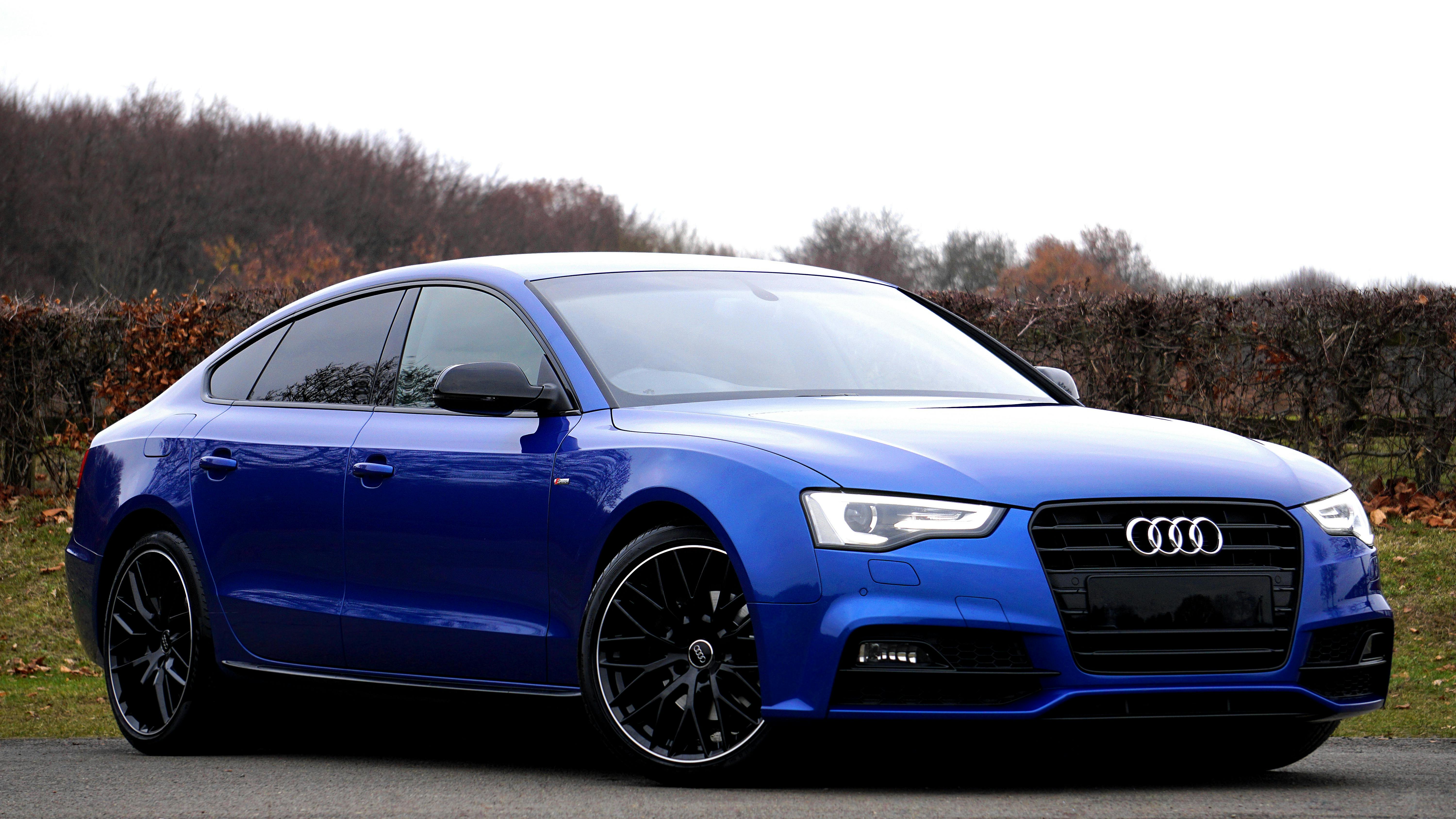
Constantly packing your bags and hitting the road can be exhilarating, but it also introduces unique challenges to your finances, especially when it comes to car insurance. You’re likely putting more miles on your vehicle than the average driver, potentially exposing yourself to increased risk on unfamiliar roads. It's a smart move to proactively review your auto coverage breakdown.
Understanding how frequent travel impacts your car insurance can save you a significant amount of money and prevent unexpected financial burdens if an accident occurs far from home. With a little planning and the right knowledge, you can ensure you’re adequately protected without overpaying for coverage you don’t need. It’s all about making smart financial decisions!
One of the first things you should do is contact your insurance provider and honestly discuss your travel habits. Many insurers offer discounts for low mileage, but some may increase rates for high mileage drivers. Transparency is key to getting the right coverage at the right price.
Understanding the Mileage Factor in Your Car Insurance
Mileage plays a significant role in determining your car insurance premium. The more you drive, the higher the likelihood of being involved in an accident, statistically speaking. Insurers use mileage data to assess risk, and frequent travelers generally fall into a higher-risk category. This isn't meant to discourage you from exploring; it’s about being realistic about the variables and adjusting your vehicle protection planning accordingly.
Consider this: if you drive primarily in urban areas with high traffic density, your risk profile will differ from someone who drives long distances on open highways. Insurers take these nuances into account. Accurately reporting your estimated annual mileage is crucial. Underestimating your mileage could lead to claim denials or policy cancellations down the line. Conversely, overestimating could result in you paying more than necessary.
People Also Ask: What factors affect car insurance rates?
Beyond mileage, numerous factors influence your car insurance rates. These include your driving history (accidents, tickets), the type of vehicle you drive, your age and gender (though some states are moving away from gender-based pricing), your credit score (in most states), and the level of coverage you choose. Location matters, too. Urban areas with higher crime rates or traffic congestion typically have higher premiums than rural areas. Understanding these factors empowers you to make informed decisions about your car and your coverage.
Optimizing Your Coverage as a Frequent Traveler
As a frequent traveler, you need to consider coverage options that address the unique risks associated with long-distance driving. While liability coverage is legally required in most states, it only covers damages you cause to others. It won't protect your own vehicle from damage or loss. For broader protection, collision and comprehensive coverage are essential.
Collision coverage pays for damages to your vehicle if you collide with another car or object, regardless of fault. Comprehensive coverage covers damages from other causes, such as theft, vandalism, fire, hail, or animal strikes – all potential hazards on the road.
Uninsured/Underinsured Motorist coverage is also crucial, especially if you frequently drive in areas with higher rates of uninsured drivers. This coverage protects you if you're hit by a driver who has no insurance or insufficient coverage to pay for your damages. Emergency Roadside Assistance coverage can be a lifesaver when you’re far from home and encounter a flat tire, dead battery, or other roadside issues. These add-ons are critical in your car finance checklist, ensuring you budget accordingly.
People Also Ask: What's the difference between liability and full coverage?
Liability insurance covers the damages you cause to others if you're at fault in an accident. This includes bodily injury and property damage. Full coverage, on the other hand, typically refers to a combination of liability, collision, and comprehensive coverage. It provides much broader protection for both you and your vehicle. While full coverage is more expensive, it can save you significant money in the long run if you're involved in an accident or your vehicle is damaged by a covered peril.
Finding Discounts and Premium Savings
Even with the increased risk associated with frequent travel, you can still find ways to lower your car insurance premium. One of the most effective ways is to maintain a clean driving record. Avoiding accidents and traffic violations will keep your rates down.
Consider increasing your deductible. A higher deductible means you'll pay more out-of-pocket if you file a claim, but it also lowers your monthly premium. However, be sure you can comfortably afford the higher deductible if you need to use it.
Shop around and compare quotes from multiple insurers. Rates can vary significantly between companies, so it pays to do your research. Many insurers offer discounts for bundling your car insurance with other policies, such as homeowners or renters insurance.
Look for discounts specific to your situation. Some insurers offer discounts for safe driving courses, anti-theft devices, or being a member of certain professional organizations. Ask your insurer about all available discounts to ensure you're getting the best possible price. For teen insurance tips, many insurers offer discounts for students with good grades or those who complete driver's education programs.
People Also Ask: How can I lower my monthly premium?
Beyond those mentioned above, consider these additional strategies: Improve Your Credit Score: In most states, a higher credit score translates to lower car insurance rates. Drive a Safer Car: Vehicles with advanced safety features often qualify for discounts. Pay in Full: Some insurers offer discounts for paying your premium in full rather than monthly. Review Your Coverage Annually: Your insurance needs may change over time, so it's wise to review your coverage each year to ensure it still meets your needs and that you're not paying for unnecessary coverage.
Navigating Insurance Across State Lines
Frequent travelers often cross state lines, which can raise questions about insurance coverage. Generally, your car insurance policy will provide coverage in any state you travel to within the United States. However, it's essential to understand the nuances of different state laws.
Some states have "no-fault" insurance laws, which means that your own insurance company pays for your medical expenses and lost wages, regardless of who was at fault in the accident. If you're involved in an accident in a no-fault state, your policy will typically provide the necessary coverage, even if your home state doesn't have no-fault laws.
However, it's a good idea to familiarize yourself with the insurance laws of the states you frequently visit. Some states may have higher minimum liability requirements than your home state, and you may want to consider increasing your coverage to match those requirements.
Rental Cars and Travel Insurance: If you frequently rent cars, consider purchasing supplemental rental car insurance or checking if your existing auto policy extends coverage to rental vehicles. Many credit cards also offer rental car insurance as a benefit. Additionally, travel insurance can provide coverage for medical expenses, trip interruptions, and other unexpected events that may occur while you're traveling.
Understanding the specifics of your car insurance policy and how it applies in different states is crucial for frequent travelers. Don't hesitate to contact your insurance provider with any questions or concerns. They can provide personalized guidance based on your travel habits and coverage needs.
Taking these smart financial decisions will allow you to confidently hit the road. Knowing that you've carefully considered your car insurance needs as a frequent traveler lets you focus on the joy of the journey, not the worry of the unknown. With the right coverage in place, you can enjoy your travels with peace of mind, knowing you're protected from unexpected financial burdens.
Post a Comment for "car insurance tips for frequent travelers"