importance of comparing deductibles and premiums
Ever feel like you're throwing money into a black hole when paying for car insurance? You’re not alone. Many drivers struggle to balance their budget with adequate protection, and understanding the interplay between deductibles and premiums is key to finding that sweet spot.
Choosing the right car insurance isn't just about compliance; it’s about making smart financial decisions that protect you in the long run. A miscalculated choice can lead to either crippling monthly payments or devastating out-of-pocket expenses after an accident. This guide helps you navigate that balance and avoid overpaying for coverage you might not need.
Here's a practical first step: Review your current policy. Take a close look at your deductible and premium amounts, and ask yourself honestly if these numbers align with your risk tolerance and financial situation. Are you comfortable paying a higher deductible to save money each month? Or would you rather have the peace of mind of a lower deductible, even if it means a higher premium? Thinking through these questions is crucial.
Understanding Deductibles
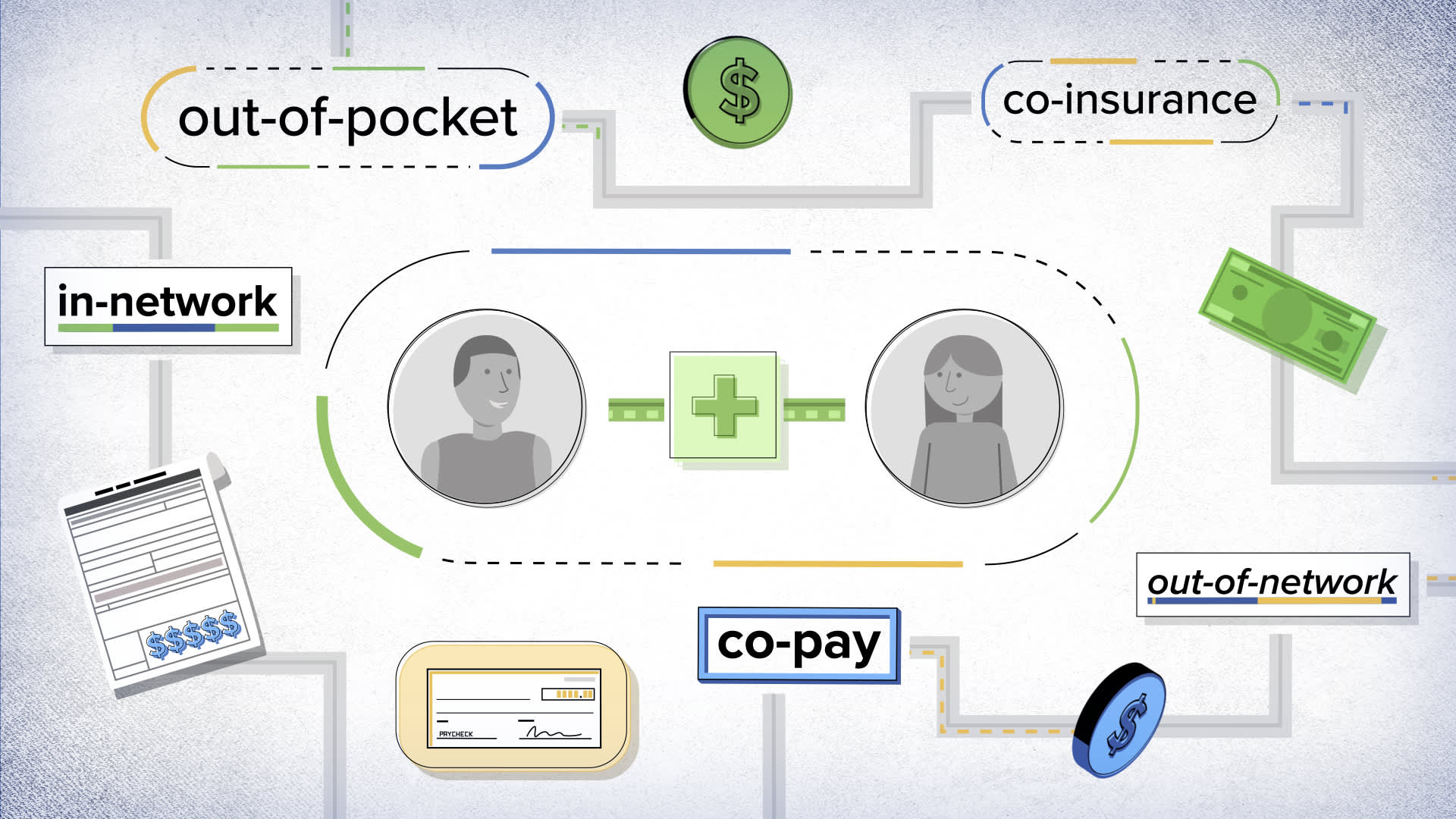
A deductible is the amount you pay out of pocket before your insurance coverage kicks in after an accident or covered incident. It's essentially your share of the financial responsibility. Choosing the right deductible requires carefully weighing your ability to pay that amount against the potential monthly premium savings.
For example, let's say you have a $500 deductible. If you get into an accident and the repair costs are $2,000, you'll pay the first $500, and your insurance company will cover the remaining $1,500 (minus any other applicable exclusions or limitations in your policy). A higher deductible, like $1,000 or $2,000, means you'll pay more out of pocket in the event of a claim, but it also typically results in a lower monthly premium.
The decision hinges on your personal finances. If you have a comfortable emergency fund and are confident in your driving skills, opting for a higher deductible could save you a significant amount of money over time. However, if you're on a tight budget and would struggle to pay a large deductible, a lower deductible might be the better option, even if it means a slightly higher premium. This is critical for vehicle protection planning.
Decoding Premiums
Your premium is the regular payment you make to your insurance company in exchange for coverage. Premiums are typically paid monthly, quarterly, or annually. Several factors influence your premium, including your driving record, the type of car you drive, your age, your location, and, of course, your chosen deductible.
Insurance companies assess risk based on these factors. A driver with a clean driving record and a safe vehicle will generally pay a lower premium than a driver with multiple speeding tickets and a sports car. Your premium reflects the insurance company's assessment of how likely you are to file a claim.
It's essential to understand that your premium is not just a fixed cost; it's a variable expense that can be influenced by several factors within your control. Maintaining a clean driving record, bundling your car insurance with other policies, and taking advantage of available discounts can all help lower your premium. This is why getting an auto coverage breakdown is so important.
What factors affect car insurance rates?
Many elements influence the price you pay for car insurance. Your age plays a role—teen insurance tips often revolve around this factor because younger drivers statistically have more accidents. The make and model of your vehicle matter, as some cars are more expensive to repair or replace. Your location is also significant; urban areas with higher traffic density typically have higher rates. Credit score, believe it or not, can also impact your premium in many states. Finally, the type of coverage you choose—liability only versus comprehensive—directly affects the cost.
Finding the Right Balance: Deductible vs. Premium
The art of choosing the right deductible and premium lies in finding a balance that aligns with your financial situation and risk tolerance. It's a delicate dance between upfront cost (premium) and potential out-of-pocket expenses (deductible).
Consider these scenarios: Scenario 1: The Budget-Conscious Driver. You're on a tight budget and prioritizing keeping your monthly expenses as low as possible. In this case, opting for a higher deductible might be the better choice. While you'll have to pay more out of pocket if you get into an accident, the lower monthly premium could free up valuable cash flow. Just make sure you have enough savings to cover the deductible if needed.
Scenario 2: The Risk-Averse Driver. You value peace of mind above all else and want to minimize your out-of-pocket expenses in the event of an accident. A lower deductible is likely the right choice. You'll pay a higher premium each month, but you'll have the comfort of knowing that you won't have to pay much out of pocket if something happens.
Scenario 3: The Average Driver. You fall somewhere in between and want to strike a balance between affordability and risk protection. You'll need to carefully compare different deductible and premium options to find the sweet spot. Get quotes from multiple insurance companies and play around with different deductible amounts to see how they affect your premium.
No single "right" answer exists. Your ideal deductible and premium combination will depend on your unique circumstances and priorities. Car finance checklist items should include exploring these scenarios.
Strategies for Premium Savings
Beyond choosing the right deductible, there are several other strategies you can employ to lower your car insurance premium. These premium savings guide strategies can help you save money without sacrificing coverage.
Shop Around: Don't settle for the first quote you receive. Get quotes from multiple insurance companies to compare rates and coverage options. Online comparison tools can make this process easier. Bundle Policies: Many insurance companies offer discounts if you bundle your car insurance with other policies, such as homeowners insurance or renters insurance. Maintain a Clean Driving Record: Avoid speeding tickets and accidents to keep your premium low. Safe driving habits are rewarded with lower insurance rates. Take Advantage of Discounts: Ask your insurance company about available discounts, such as discounts for safe drivers, good students, or military personnel. Increase Your Credit Score: In many states, a higher credit score can translate to lower insurance rates. Take steps to improve your credit score to potentially save money on your premium. Review Your Coverage Regularly: As your life changes, your insurance needs may also change. Review your coverage regularly to ensure that you have the right level of protection without overpaying.
How can I lower my monthly premium?
Beyond the obvious, like improving your driving record, several lesser-known strategies can impact your monthly car insurance bill. Consider increasing your deductible, as discussed earlier. Look into defensive driving courses, which can sometimes qualify you for discounts. Ensure you’re taking advantage of all eligible discounts, such as those for being a student, homeowner, or having safety features in your car. Periodically compare quotes from different insurers, as rates change, and loyalty doesn’t always pay off.
The Long-Term Perspective
Choosing the right deductible and premium is not a one-time decision; it's an ongoing process. Your financial situation, risk tolerance, and insurance needs may change over time, so it's essential to review your coverage regularly and make adjustments as needed.
For example, if you get a raise or pay off a significant debt, you might be able to afford a lower deductible and enjoy the peace of mind that comes with it. Conversely, if you experience a financial setback, you might need to increase your deductible to lower your monthly premium.
The key is to stay informed, be proactive, and adapt your insurance coverage to your evolving circumstances. Don't be afraid to ask questions, seek advice, and explore different options. A little research and planning can go a long way in saving you money and protecting your financial well-being.
What’s the difference between liability and full coverage?
Understanding the difference is fundamental to making informed choices. Liability coverage protects you if you cause an accident and damage another person’s vehicle or property, or injure them. It covers their expenses, not yours. "Full coverage," on the other hand, typically refers to a combination of collision and comprehensive coverage. Collision covers damage to your vehicle if you’re in an accident, regardless of fault. Comprehensive covers damage from other events like theft, vandalism, weather, or animal strikes. Deciding which type of coverage you need depends on your vehicle’s value, your risk tolerance, and your financial situation.
Making informed decisions about your car insurance – understanding the balance between deductibles and premiums, exploring various discounts, and regularly reviewing your policy – empowers you to take control of your finances and protect yourself from unexpected expenses. You're now equipped to approach your auto coverage with confidence and clarity, knowing that you're making choices aligned with your unique needs and financial goals.
Post a Comment for "importance of comparing deductibles and premiums"