is car insurance higher for SUVs
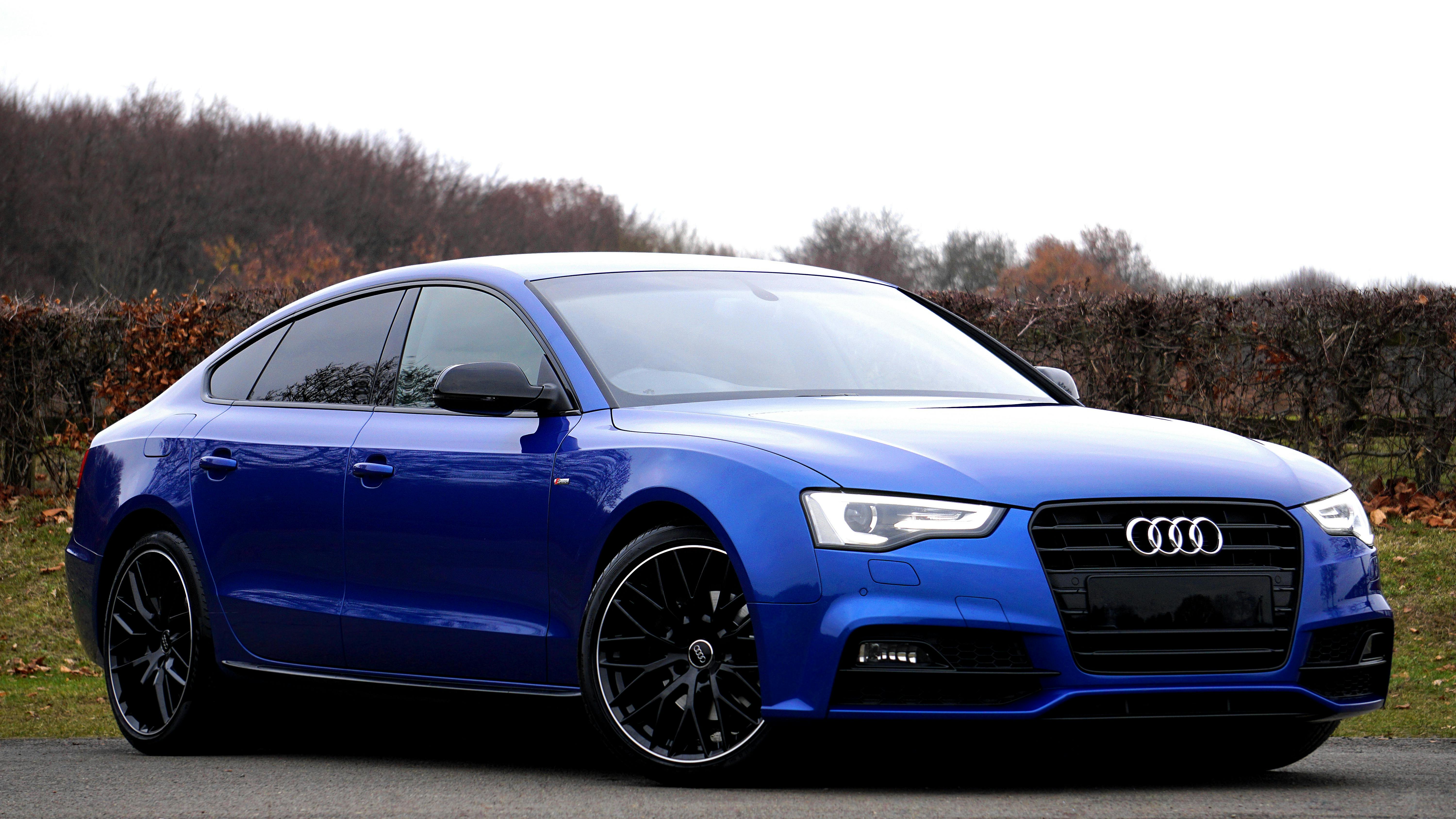
Thinking about buying a new SUV? Exciting! But before you picture yourself cruising down the highway, a smart move is understanding all the costs involved – especially car insurance. It’s easy to get caught up in the sticker price, but auto coverage can significantly impact your monthly budget.
Understanding how insurance companies calculate premiums for different vehicle types can save you from unexpected expenses and help you make informed decisions. It's not just about the initial cost of the SUV; it's about the long-term financial commitment.
One quick tip: get quotes from multiple insurance providersbeforeyou commit to buying a specific SUV model. This will give you a realistic picture of your overall ownership costs and ensure you're making financially sound choices.
Is Car Insurance Higher for SUVs?
The short answer? It depends. While SUVs are often perceived as being more expensive to insure than smaller cars, that's not always the case. Insurance rates are complex and depend on a multitude of factors, not just the vehicle type. Let’s break down the elements that influence your premium, and how they relate to SUVs specifically.
Generally, SUVscanbe more expensive to insure than sedans or compact cars because of a few key reasons: Higher Value: SUVs tend to have a higher market value than smaller cars. This means that if your SUV is damaged or stolen, the insurance company may have to pay out more money to repair or replace it, leading to higher premiums. Costly Repairs: The parts for SUVs, especially luxury models, can be more expensive and require specialized labor. This also contributes to higher repair costs after an accident, impacting insurance payouts. Safety Ratings:While many SUVs boast excellent safety features, some older or smaller SUVs might not have the best safety ratings. Insurance companies consider safety ratings a crucial factor in determining risk. However, larger SUVs generally perform well in crash tests.
However, don't assume thatevery SUV is going to break the bank regarding insurance. Factors like the specific model, its safety record, and your personal driving history play a huge role.
Factors Affecting SUV Insurance Costs
Beyond the general characteristics of SUVs, several other factors influence your insurance premium. Understanding these factors can help you see where you might be able to save money.
Your Driving Record: This is a big one. A clean driving record with no accidents or moving violations will almost always result in lower premiums. Insurers see you as a lower risk if you have a history of safe driving. Your Age and Experience: Younger drivers, especially those under 25, typically pay higher insurance rates. This is because they are statistically more likely to be involved in accidents. As you gain more driving experience, your rates will likely decrease. Your Location: Where you live significantly impacts your insurance costs. Urban areas with higher traffic density and a greater risk of theft tend to have higher premiums than rural areas. Your Credit Score: In many states, insurance companies use your credit score as a factor in determining your rates. A good credit score can translate to lower premiums. The Specific SUV Model: As mentioned earlier, the make and model of your SUV matter. Some models are statistically more likely to be stolen or involved in accidents, which drives up their insurance costs. Consider things like engine size too, larger engines can sometimes equal higher insurance rates. Coverage Options: The type and amount of coverage you choose also affect your premium. Liability-only coverage will be cheaper than comprehensive and collision coverage. However, it also offers less protection. Deductibles:The amount you pay out-of-pocket before your insurance kicks in (your deductible) also affects your premium. A higher deductible usually results in a lower premium, but you'll need to be prepared to pay that amount if you file a claim.
People Also Ask: What factors affect car insurance rates?
In addition to the elements already listed above, other factors affecting car insurance rates include the number of miles you drive annually (more miles often mean higher risk), the security features of your vehicle (alarm systems or anti-theft devices can lower your rate), and even your marital status (married drivers sometimes receive slightly lower rates). Some insurers also offer discounts for things like being a student, owning a home, or bundling your auto and home insurance policies.
Comparing Insurance Rates for Different SUVs
Okay, so how do you actually compare insurance rates for different SUV models? The best way is to get quotes from multiple insurance companies. Here's a step-by-step guide:
1.Gather Information: Before you start getting quotes, gather all the necessary information: your driver's license number, vehicle identification number (VIN) if you already own the SUV, your driving history, and details about your current insurance policy.
2.Shop Around: Don't settle for the first quote you receive. Get quotes from at least three to five different insurance companies. Online comparison tools can be helpful for this, but it's also a good idea to contact some companies directly.
3.Be Honest: Provide accurate information when requesting quotes. Misleading information can lead to inaccurate quotes and potential problems when you file a claim.
4.Compare Apples to Apples: Make sure you're comparing the same coverage levels and deductibles across all quotes. This will ensure you're getting a fair comparison.
5.Ask About Discounts: Don't be afraid to ask about potential discounts. You might be eligible for discounts based on your occupation, affiliations, or safety features on your SUV.
6.Read the Fine Print: Before making a decision, carefully read the policy documents to understand exactly what is covered and what is not. Pay attention to any exclusions or limitations.
Here's averygeneral example (remember that actual rates vary widely): Small SUV (e.g., Honda HR-V): Might have a slightly lower premium due to its smaller engine, lower value, and often excellent safety ratings. Mid-Size SUV (e.g., Toyota Highlander): Could be moderately priced, balancing size, safety, and repair costs. Luxury SUV (e.g., BMW X5):Likely to have a higher premium because of its higher value, expensive parts, and potential for more complex repairs.
It’s crucial to remember that these are just examples and the actual cost of insurance will depend on the specific factors outlined above. Don't assume a smaller SUValwaysequals cheaper insurance; do your homework.
People Also Ask: How can I lower my monthly premium?
There are several ways to potentially lower your monthly car insurance premium. One option is to increase your deductible, which means you'll pay more out-of-pocket if you have an accident, but your monthly payments will be lower. You can also shop around for quotes from different insurance companies, as rates can vary significantly. Bundling your auto and home insurance policies with the same company can also result in a discount. Driving safely and maintaining a clean driving record is another way to keep your rates down. Finally, you can review your coverage options and consider whether you need comprehensive and collision coverage, especially if you have an older vehicle.
Factors That Can Reduce SUV Insurance Costs
It's not all doom and gloom! There are ways to potentially reduce the cost of insuring your SUV.
Safety Features: Many modern SUVs come equipped with advanced safety features like automatic emergency braking, lane departure warning, and blind-spot monitoring. These features can significantly reduce the risk of accidents and injuries, leading to lower insurance premiums. Good Safety Ratings: Look for SUVs with excellent safety ratings from organizations like the Insurance Institute for Highway Safety (IIHS) and the National Highway Traffic Safety Administration (NHTSA). Insurance companies take these ratings into account when calculating premiums. Anti-Theft Devices: Installing an anti-theft device, such as an alarm system or GPS tracking, can deter thieves and lower your insurance costs. Defensive Driving Courses: Completing a defensive driving course can demonstrate your commitment to safe driving and may qualify you for a discount on your insurance. Bundling Policies: As mentioned earlier, bundling your auto insurance with other policies, such as home or renters insurance, can often result in a discount. Usage-Based Insurance: Consider usage-based insurance, which tracks your driving habits and adjusts your premium accordingly. If you're a safe driver, you could save money.
Remember, proactive steps toward safety and smart financial choices can help make SUV ownership more affordable.
Choosing the Right Coverage for Your SUV
Selecting the right insurance coverage is crucial for protecting yourself financially in the event of an accident or other covered incident. Here's a brief auto coverage breakdown: Liability Coverage: This is the most basic type of coverage and is required by law in most states. It covers damages you cause to others if you're at fault in an accident. Collision Coverage: This covers damage to your SUV if you're involved in an accident, regardless of who is at fault. Comprehensive Coverage: This covers damage to your SUV from other causes, such as theft, vandalism, weather events, or animal collisions. Uninsured/Underinsured Motorist Coverage: This protects you if you're hit by a driver who doesn't have insurance or doesn't have enough insurance to cover your damages. Personal Injury Protection (PIP):This covers your medical expenses and lost wages, regardless of who is at fault in an accident. (Available in some states).
The amount of coverage you need depends on your individual circumstances and risk tolerance. Consider factors like the value of your SUV, your financial situation, and the potential for costly accidents. Consult with an insurance professional to determine the right coverage options for your needs. Getting teen insurance tips can also help new drivers understand the essentials.
People Also Ask: What’s the difference between liability and full coverage?
Liability insurance covers the damages you cause toothersif you're at fault in an accident, while "full coverage" typically refers to a combination of collision and comprehensive insurance, which cover damage toyourvehicle regardless of fault (collision) or from events other than collisions (comprehensive). Liability is legally required in most states, while collision and comprehensive are optional but highly recommended to protect your own vehicle.
With a little research and proactive planning, you can confidently navigate the world of SUV insurance and make smart financial decisions. Consider these tips as a starting point in your vehicle protection planning. Remember to shop around, compare quotes, and ask about discounts. You've got this! Now you can focus on enjoying the ride.
Post a Comment for "is car insurance higher for SUVs"