what to know about insurance after DUI
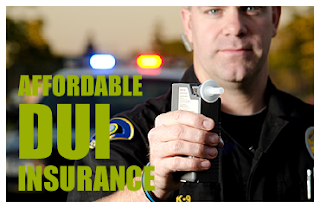
Finding out your insurance rates skyrocketed after a DUI can feel like a punch to the gut. You’re already dealing with court costs, potential legal fees, and the stress of the situation itself. Now you’re facing higher premiums for the foreseeable future, and it’s understandable to feel overwhelmed.
Navigating insurance after a DUI is crucial to protecting your finances and ensuring you remain legally compliant. Understanding the consequences and knowing your options can help you avoid further financial strain and find the most affordable path forward. This guide is here to help you make informed choices during a difficult time.
One of the best immediate steps you can take is to shop around and compare quotes from multiple insurance companies. Don't settle for the first renewal rate you receive. Insurers weigh risk factors differently, and you might be surprised at the range of prices you find.
Understanding the Impact of a DUI on Your Insurance
A DUI (Driving Under the Influence) conviction has a significant and lasting impact on your car insurance rates. It's not just a temporary blip; it can affect your premiums for several years, often three to five, depending on your state's laws and your insurance company's policies. Think of it as a major red flag to insurers, indicating a higher risk of future accidents. Your rates increase because insurance companies assess risk, and a DUI conviction places you in a higher-risk category. The exact increase will vary depending on your prior driving record, the severity of the DUI, and your insurance company, but it's generally substantial. The hit to your wallet will likely be significant, making it more important than ever to understand how auto coverage breakdown works and find ways to mitigate costs.
Beyond the financial aspect, a DUI can also lead to your insurance company dropping your coverage altogether. This is especially true if you have a prior history of traffic violations or if the DUI involved particularly egregious circumstances, such as a high blood alcohol content or an accident with injuries. If your insurance is canceled, finding a new policy becomes more challenging, and you may need to turn to high-risk auto insurance providers, which typically charge even higher premiums. This added hurdle highlights the importance of responsible driving and understanding the lasting consequences of impaired driving. This is a crucial piece of vehicle protection planning that can save you thousands.
Finding Affordable Insurance After a DUI
While a DUI significantly increases your insurance rates, it doesn’t mean you’re destined to pay exorbitant premiums forever. There are several strategies you can employ to find more affordable coverage, even with a DUI on your record. The key is to be proactive, informed, and willing to shop around. Finding affordable insurance post-DUI requires smart financial decisions and a clear understanding of your options.
First,compare quotes from multiple insurance companies. Don't automatically renew your existing policy without exploring other options. Different insurers weigh risk factors differently, and some may be more lenient toward DUI offenders than others. Online comparison tools can help you quickly gather quotes from various companies. Make sure to be honest and accurate when providing information; withholding details can lead to policy cancellation or denial of claims. This is an essential part of a premium savings guide and can help you find the best rates available.
Second,consider increasing your deductible. A higher deductible means you'll pay more out of pocket if you have an accident, but it also lowers your monthly premium. However, be sure you can comfortably afford the higher deductible if you need to file a claim. Don't choose a deductible so high that it would be financially crippling in the event of an accident. This is a critical element in car finance checklist to ensure you are prepared for any outcome.
Third,explore discounts. Even with a DUI, you may still be eligible for certain discounts, such as discounts for being a homeowner, having multiple cars on your policy, or completing a defensive driving course. Ask your insurance agent about available discounts and see if you qualify for any of them. Completing a defensive driving course can sometimes demonstrate to insurers that you're committed to safe driving habits, potentially leading to a slight reduction in your premium.
Fourth,improve your credit score. In many states, insurance companies use your credit score as a factor in determining your rates. Improving your credit score can lead to lower premiums, even with a DUI on your record. Pay your bills on time, reduce your debt, and check your credit report for errors.
Finally,be patient. The impact of a DUI on your insurance rates will eventually diminish over time. As the DUI gets older, your rates will gradually decrease. Continue to maintain a clean driving record and explore your options for lower premiums as the DUI recedes further into your past.
People Also Ask
What factors affect car insurance rates?
Several factors beyond a DUI influence your car insurance rates. These include your age, driving history (including tickets and accidents), the type of car you drive, your location, your credit score (in most states), and the coverage limits you choose. Teen insurance tips often emphasize the impact of age and driving experience on premiums. Understanding these factors empowers you to make informed choices and potentially lower your rates.
How can I lower my monthly premium?
Besides shopping around and increasing your deductible, you can lower your monthly premium by improving your credit score, taking a defensive driving course, reducing your coverage limits (while ensuring you have adequate protection), and exploring discounts offered by your insurance company. Reviewing your policy annually and adjusting coverage as needed can also lead to savings.
What’s the difference between liability and full coverage?
Liability insurance covers damages you cause to others in an accident, including bodily injury and property damage. It doesn't cover your own damages. Full coverage, on the other hand, typically includes both liability coverage and collision and comprehensive coverage. Collision covers damage to your car resulting from an accident, regardless of fault, while comprehensive covers damage from other events, such as theft, vandalism, or natural disasters. Deciding between liability and full coverage depends on your financial situation, the value of your car, and your risk tolerance.
The Importance of SR-22 Insurance
In many states, after a DUI conviction, you'll be required to file an SR-22 form with your state's Department of Motor Vehicles (DMV). An SR-22 is not an insurance policy itself; it's a certificate that proves you have the minimum required car insurance coverage. Your insurance company files the SR-22 on your behalf, and it essentially guarantees to the state that you maintain continuous coverage. Failing to maintain SR-22 insurance can result in a suspended license.
Obtaining SR-22 insurance can be more expensive than standard auto insurance, as it signifies to insurance companies that you're a high-risk driver. However, it's a necessary step to reinstate your driving privileges after a DUI. When shopping for SR-22 insurance, be sure to compare quotes from multiple insurers that offer this type of coverage. Not all insurance companies offer SR-22 insurance, so it's essential to find one that does. The cost of SR-22 insurance can vary depending on the insurer, your driving history, and the coverage limits you choose.
Once you've obtained SR-22 insurance, it's crucial to maintain continuous coverage for the required period, which is typically three years. If your policy lapses or is canceled during this time, your insurance company is required to notify the DMV, and your license may be suspended again. To avoid this, make sure to pay your premiums on time and keep your insurance policy active. Understanding the SR-22 requirement is a critical part of responsible vehicle protection planning after a DUI.
Beyond Insurance: Addressing the Root Cause
While dealing with the insurance consequences of a DUI is essential, it's also important to address the underlying issues that led to the DUI in the first place. This may involve seeking counseling, attending support groups, or participating in educational programs. Addressing the root cause of the DUI can not only improve your personal well-being but also demonstrate to insurance companies and the legal system that you're taking responsibility for your actions and committed to preventing future incidents.
Participating in rehabilitation programs or alcohol education courses can sometimes lead to a reduction in your insurance rates or a shorter period of SR-22 requirements. Insurance companies may view these efforts as a sign that you're actively working to improve your driving habits and reduce your risk of future DUIs. Showing a commitment to responsible behavior can positively impact your insurance rates over time. This demonstrates responsible financial decisions and commitment to safe driving.
Ultimately, the best way to avoid the high costs and legal consequences of a DUI is to make responsible choices when it comes to drinking and driving. Designate a driver, use a ride-sharing service, or call a taxi if you've been drinking. The cost of a DUI far outweighs the convenience of driving under the influence. Prioritize your safety and the safety of others on the road.
Navigating insurance after a DUI can seem daunting, but with the right information and strategies, you can find affordable coverage and move forward with confidence. By understanding the impact of a DUI on your insurance rates, exploring your options for lower premiums, and addressing the underlying issues that led to the DUI, you can take control of your financial situation and work towards a brighter future. Remember to shop around, explore discounts, and improve your credit score. By taking proactive steps and being informed, you can overcome the challenges of insurance after a DUI and secure the coverage you need at a price you can afford.
Post a Comment for "what to know about insurance after DUI"