insurance for part-time drivers: what to consider
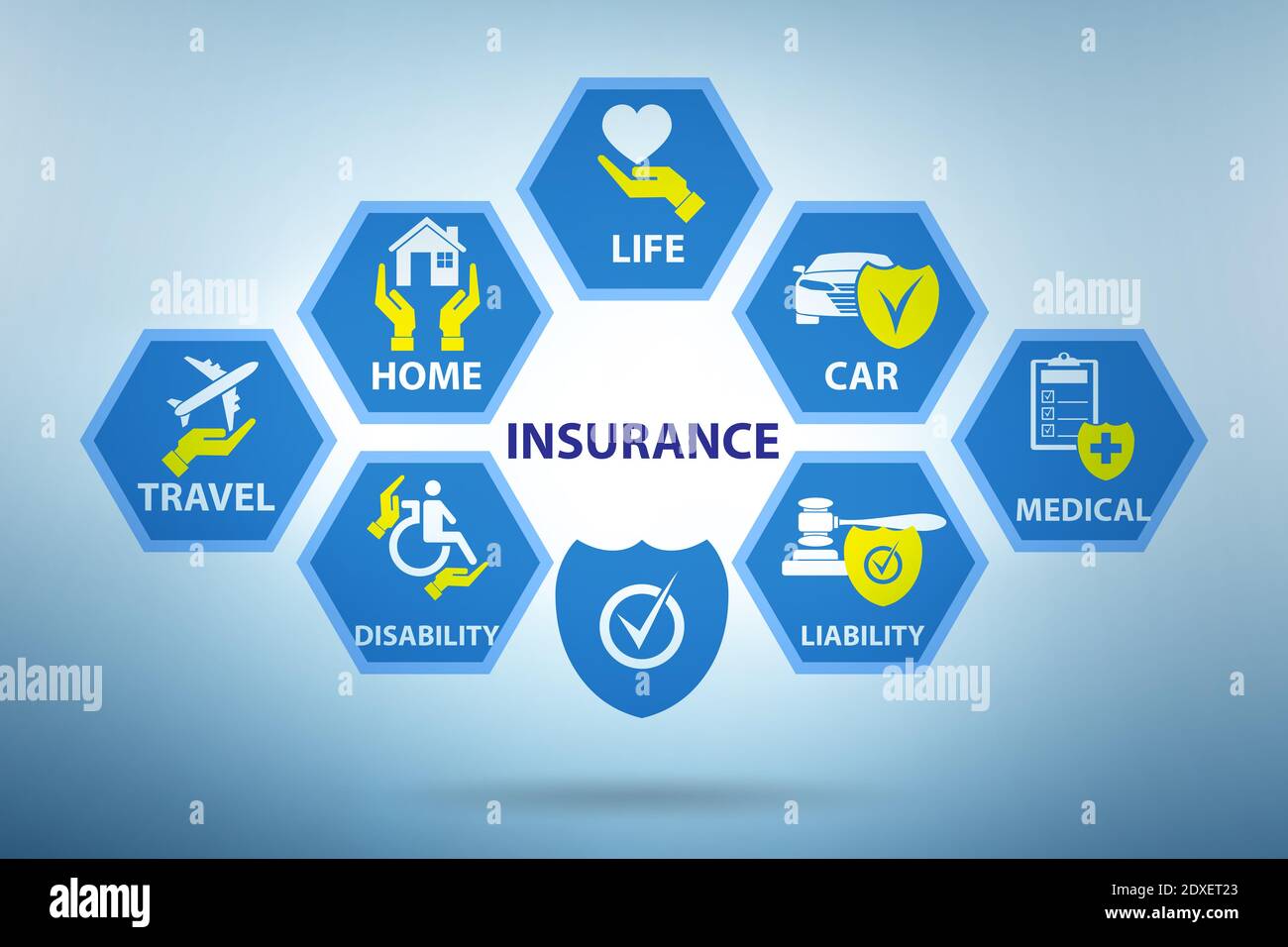
Ever feel like your car insurance is costing you an arm and a leg, especially when you’re not even driving that much? It's a common frustration, particularly if you're only using your vehicle for errands a couple of times a week, weekend trips, or the occasional ride to work. The good news is understanding your insurance options as a part-time driver can lead to significant savings and better protection for your specific needs.
Many drivers overpay for insurance because they don’t realize there are policies tailored to lower mileage. This knowledge helps you avoid paying for coverage you don’t need and protects you from potential gaps in coverage if you underestimate your driving habits. It's about making smart financial decisions that align with your actual driving patterns.
Before your next renewal, take a moment to accurately estimate your annual mileage. Many insurance companies offer lower rates for drivers who clock fewer miles each year. This simple step can be the key to unlocking significant premium savings.
Understanding Insurance for Part-Time Drivers
The world of auto insurance can seem overwhelming, but breaking it down into manageable parts makes it easier to navigate. For part-time drivers, the core concept is aligning your coverage with your actual driving habits. Traditional insurance policies often assume a certain level of usage, which can be unfair if you're not on the road as often. This is where usage-based insurance and other alternatives come into play, offering potential premium savings. Vehicle protection planning starts with a clear picture of your driving realities.
Different Types of Insurance Options
Several insurance models cater specifically to part-time drivers, each with its own advantages and disadvantages. Let's explore a few key options: Pay-Per-Mile Insurance:This model charges you a base rate plus a per-mile fee. It's ideal for drivers who drive very little, as your premium directly reflects your actual usage. A device installed in your car tracks mileage, ensuring accurate billing. This is often the most direct path to premium savings.
Usage-Based Insurance (UBI): UBI, sometimes called "telematics insurance," monitors your driving habits through a mobile app or device. Factors like speeding, hard braking, and time of day are tracked. Safe driving habits can lead to discounts, even if your mileage is slightly higher. It's about proving you're a responsible driver, regardless of how often you drive.
Low-Mileage Discounts: Many traditional insurance companies offer discounts to drivers who drive below a certain annual mileage threshold (often around 7,500 miles). You'll need to accurately estimate your mileage and provide proof if requested. This option allows you to stick with a standard policy while still reaping the benefits of your limited driving.
Standard Car Insurance: Even with standard policies, you can still optimize your coverage as a part-time driver. For example, you might consider increasing your deductible to lower your premium, provided you can comfortably afford the higher out-of-pocket cost in case of an accident. It's important to shop around and compare quotes from multiple insurers to find the best rate for your driving profile.
What’s the difference between liability and full coverage?
Liability insurance covers damages you cause to others in an accident, including vehicle repairs and medical expenses. It's typically the minimum coverage required by law. Full coverage, on the other hand, includes liability coverage plus collision (covering damage to your car from an accident, regardless of fault) and comprehensive coverage (protecting against theft, vandalism, weather damage, and other non-collision events).
For part-time drivers, the decision between liability and full coverage depends on the value of your car and your risk tolerance. If you have an older, less valuable vehicle, liability coverage might be sufficient. However, if your car is newer or you want peace of mind against a wider range of risks, full coverage is worth considering. Teen insurance tips often highlight the importance of full coverage for newer drivers, regardless of mileage.
Factors That Affect Your Insurance Rates
Beyond mileage, several other factors influence your car insurance rates. Understanding these can help you make informed decisions and potentially lower your premium.
Driving History: A clean driving record (no accidents or tickets) is crucial for securing lower rates. Insurers view drivers with good records as less risky to insure. Credit Score: In most states, your credit score can impact your insurance rates. A higher credit score typically translates to lower premiums. Vehicle Type: The make and model of your car affect insurance costs. Expensive cars, sports cars, and vehicles prone to theft tend to have higher premiums. Location: Insurance rates vary by location due to factors like population density, traffic patterns, and crime rates. Coverage Options: The types and amounts of coverage you choose (e.g., liability limits, deductible amounts) directly impact your premium. Age and Gender: Statistically, younger drivers and male drivers tend to pay higher rates due to higher accident rates in these demographics.
What factors affect car insurance rates?
Factors affecting car insurance rates range from the obvious (driving record) to the less apparent (credit score). Your age, gender, and location play a role, as does the type of car you drive. Insurers assess risk based on these factors, adjusting premiums accordingly. Understanding how these elements influence your rates empowers you to make strategic choices, like improving your credit score or opting for a car with a lower insurance risk profile.
Tips for Lowering Your Insurance Premium as a Part-Time Driver
Securing affordable insurance as a part-time driver requires a proactive approach. Here are some strategies to consider:
1.Shop Around: Don't settle for the first quote you receive. Compare rates from multiple insurance companies to find the best deal. Online comparison tools can streamline this process.
2.Increase Your Deductible: Raising your deductible (the amount you pay out-of-pocket in case of a claim) lowers your premium. However, ensure you can comfortably afford the higher deductible if needed.
3.Bundle Your Insurance: Many insurers offer discounts if you bundle your car insurance with other policies, such as homeowners or renters insurance.
4.Maintain a Good Credit Score: Improving your credit score can lead to lower insurance rates in most states.
5.Take a Defensive Driving Course: Completing a defensive driving course can qualify you for a discount with some insurers.
6.Review Your Coverage Regularly: As your driving habits and vehicle value change, reassess your coverage needs to ensure you're not overpaying.
7.Consider Usage-Based Options: Explore pay-per-mile or UBI programs to potentially save money based on your actual driving.
How can I lower my monthly premium?
Lowering your monthly premium involves several strategies. Increasing your deductible is a common tactic, but it's crucial to ensure you can afford the higher out-of-pocket expense. Bundling your insurance policies (e.g., car and home) with the same provider often unlocks discounts. Improving your credit score, taking a defensive driving course, and regularly reviewing your coverage needs are also effective methods for premium savings. A car finance checklist should always include a review of your auto coverage breakdown.
Making the Right Choice for Your Needs
Choosing the right insurance policy as a part-time driver involves carefully considering your driving habits, budget, and risk tolerance. Accurately estimate your annual mileage and explore all available options, from pay-per-mile insurance to low-mileage discounts. Don't hesitate to contact insurance agents or brokers for personalized advice.
Remember that the cheapest option isn't always the best. Ensure that the policy you choose provides adequate coverage to protect you financially in case of an accident or other covered event. Read the fine print and understand the policy terms and conditions before making a decision.
By taking a proactive and informed approach, you can secure affordable and effective insurance coverage that aligns with your specific needs as a part-time driver, leading to significant premium savings and greater peace of mind on the road.
Equipped with this knowledge, you're now better prepared to navigate the car insurance landscape and make smart financial decisions. Understanding the nuances of insurance for part-time drivers empowers you to control your expenses and protect your assets effectively. You can confidently explore your options, negotiate with insurers, and choose a policy that truly fits your lifestyle and budget.
Post a Comment for "insurance for part-time drivers: what to consider"